Practical advice to help you inspect, compare and buy with confidence.
Focus on the areas that have the biggest impact.
Identify problems before they become costly.
Get clear answers from sellers and dealers.
Make a decision you’ll feel good about long term.
Buying a used car or SUV is about more than price and looks. The best decisions come from knowing what to check, what to ask and how to spot issues early.
Use this guide as your step-by-step companion so you can compare with confidence and choose a vehicle that’s right for you.
Check panels, paint, alignment, lights and tyres.
Inspect the engine, fluids, leaks and major components.
Review condition, electronics, features and air conditioning.
Assess how it drives, handles, brakes and responds.
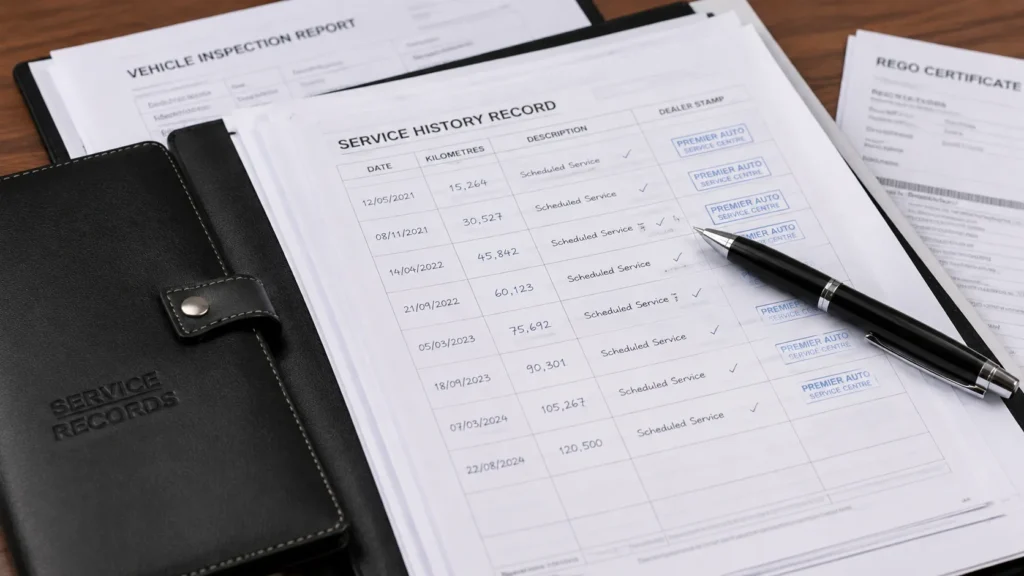
Verify service history, ownership and outstanding issues.
Understand true value, running costs and depreciation.
Spend time walking around the vehicle in good lighting. Look for signs of poor repairs, rust or damage that could lead to bigger issues down the track.
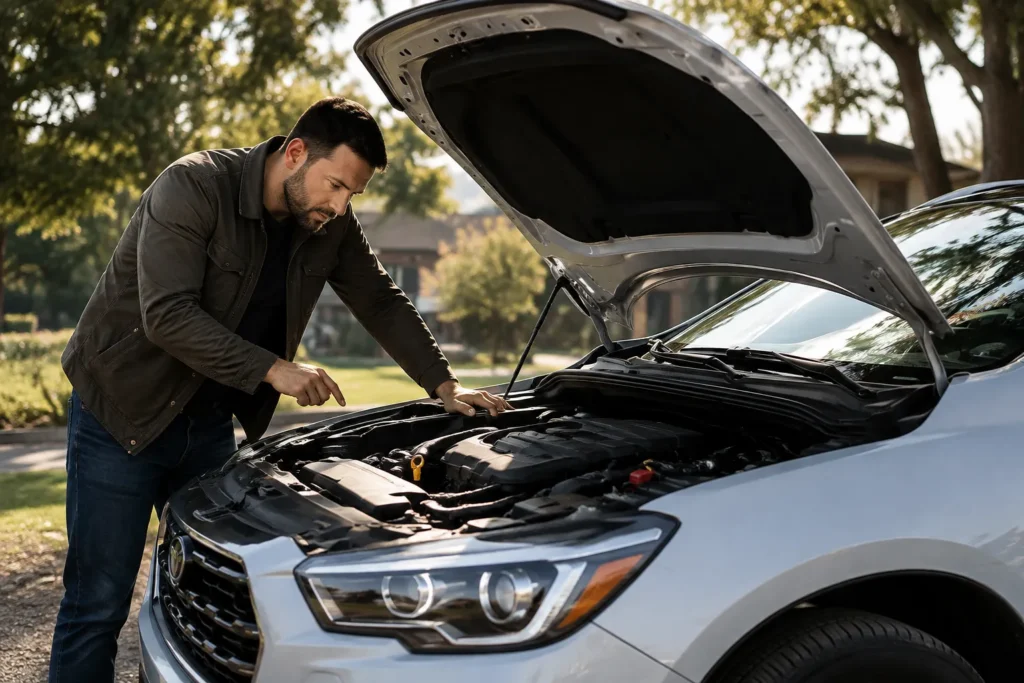
Open the bonnet and look for cleanliness, leaks and signs of neglect. A well-kept engine usually means the rest of the vehicle has been cared for.
A proper test drive can reveal issues that aren’t obvious while the vehicle is parked. Take your time and try different speeds, road surfaces and driving conditions.
Check that it starts easily, idles smoothly and accelerates without hesitation.
The vehicle should track straight, respond predictably and feel stable through turns.
Brakes should feel firm and controlled, without pulling, vibration or unusual noise.
Shifts should be smooth and consistent without slipping, harsh changes or delays.
Listen for knocks or rattles and check that the vehicle settles properly over bumps.
Watch the dashboard and listen for sounds that appear during acceleration, braking or turning.
If something feels wrong, don’t rush the decision. Ask for clarification or arrange an independent inspection.
A vehicle can look excellent and still have history worth knowing about. Check the available records and make sure the details match the vehicle you’re considering.
Never rely on appearance alone — verify what you can before you commit.
Look for regular servicing, maintenance records and major repairs where available.
Check that identifying details and available ownership information are consistent.
Consider an appropriate vehicle history check for recorded write-off or stolen status.
Confirm whether any registered security interest or outstanding finance applies before purchase.
Review registration status and any applicable inspection or roadworthy requirements.
The exact checks you need may vary depending on the vehicle, state or territory and the circumstances of the purchase.
A vehicle that looks like good value today can become expensive to own. Consider the costs that continue after you drive away.
Compare the asking price with similar vehicles of the same age, specification, kilometres and condition.
Consider fuel consumption, routine servicing, tyres and the cost of common replacement parts.
Factor in insurance premiums, registration and other applicable ongoing ownership costs.
Think about how well the model holds its value and what may affect its future resale potential.
The cheapest vehicle isn’t always the best value — condition, history and future ownership costs matter too.
Our team is happy to answer your questions and help you find the right fit.
Our team is here to assist with vehicles, machinery and transport enquiries.